
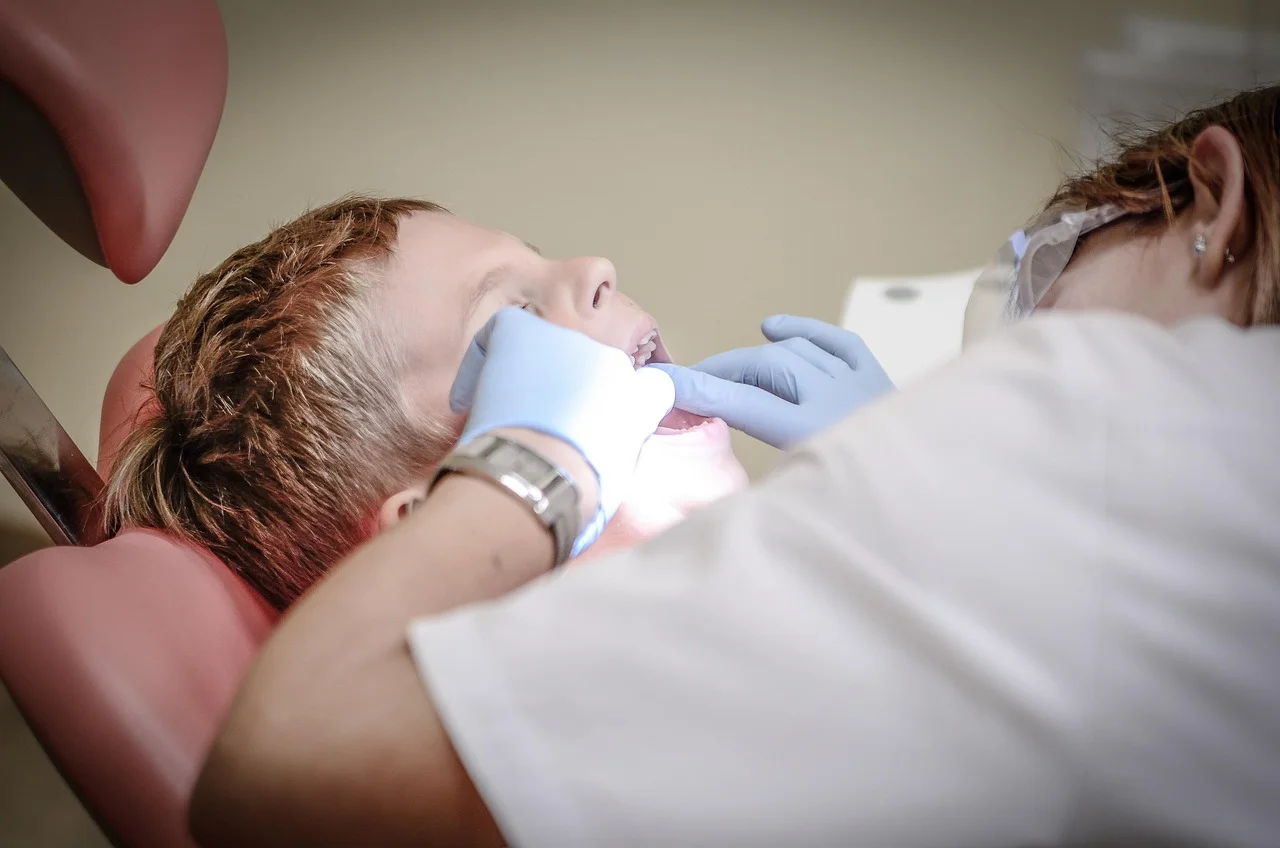
How medical tests guide tooth restorations
When a dentist plans a restoration—from fillings to crowns and implants—oral examination is only the first step. Medical tests such as blood panels, allergy screens, and microbial swabs supply objective information that shapes treatment choices. These data reduce surprises during procedures and help tailor care to each patient’s health profile.
Understanding the interplay between systemic health and oral interventions improves both safety and longevity of restorations. This article explains common tests, how results influence material and antibiotic decisions, and what patients should expect before a restorative procedure.
Common tests and what they reveal
Clinicians rely on a mix of routine and targeted tests. Here are the most relevant types and the practical insights they provide.
| Test | What it shows | Impact on restoration |
|---|---|---|
| Complete blood count (CBC) | Overall health, anemia, immune status | Identifies bleeding risk or delayed healing concerns |
| Blood glucose / HbA1c | Diabetes control | Poor control prompts postponement or modified protocol |
| Allergy tests | Sensitivity to metals, resins, latex | Guides selection of non-reactive materials |
| Microbial swabs / cultures | Presence of pathogenic bacteria or fungi | Directs antimicrobial therapy and cleaning strategies |
From diagnosis to material choice
Blood tests reveal conditions that affect healing and infection risk. For example, an elevated HbA1c indicates diabetes that may compromise tissue repair, prompting tighter infection control and follow-up. Allergy testing can catch sensitivities to nickel or certain resin components, steering the dentist toward biocompatible ceramics or gold alloys.
In more complex rebuilds, a clinician may combine test results with imaging to plan a stepwise approach. For patients curious about restorative options and procedures, resources about odbudowa zęba can offer helpful overviews and pricing context in addition to clinical guidance.
Infection control and long-term outcomes
Swabs from pockets around teeth or from root canals identify bacteria known to cause implant failures or recurrent decay. Knowing the microbial profile lets the clinician pick targeted antibiotics or antiseptics rather than broad-spectrum agents, reducing side effects and resistance.
Follow-up blood work can also monitor inflammatory markers in patients with persistent swelling or systemic symptoms. Over time, combining test-guided choices with meticulous technique lowers the chance of restoration failure and the need for retreatment.
What patients can expect
Before a major restoration, you may be asked for a recent blood test, a diabetes screening, or a simple allergy questionnaire. If signs of local infection appear, your dentist might take a swab. These steps usually add little time but significantly improve safety.
- Bring current medical records and medication lists.
- Be prepared for minor additional visits for testing.
- Discuss material preferences and any known allergies.
Clear communication between you and your dental team ensures that test results translate into a restoration that looks good, functions well, and lasts longer.
What is the most common blood test before dental restoration?
A complete blood count (CBC) and glucose screening are common. They check for anemia, infection risk, and diabetes control, all of which can influence timing and technique.
Are allergy tests necessary for everyone?
Not always. Allergy testing is recommended if you have a history of metal or resin reactions, or if you need a restoration that will remain in place permanently. Discuss your history with your dentist.
Will a swab always lead to antibiotics?
Not necessarily. A swab identifies the organism and its sensitivities, which can result in antibiotics, topical antiseptics, or targeted cleaning depending on severity.
How long do test results affect treatment planning?
Some results, like allergy status, affect choices long-term. Others, such as blood glucose, may lead to temporary postponement until control improves. Your dentist will explain the timeline.