
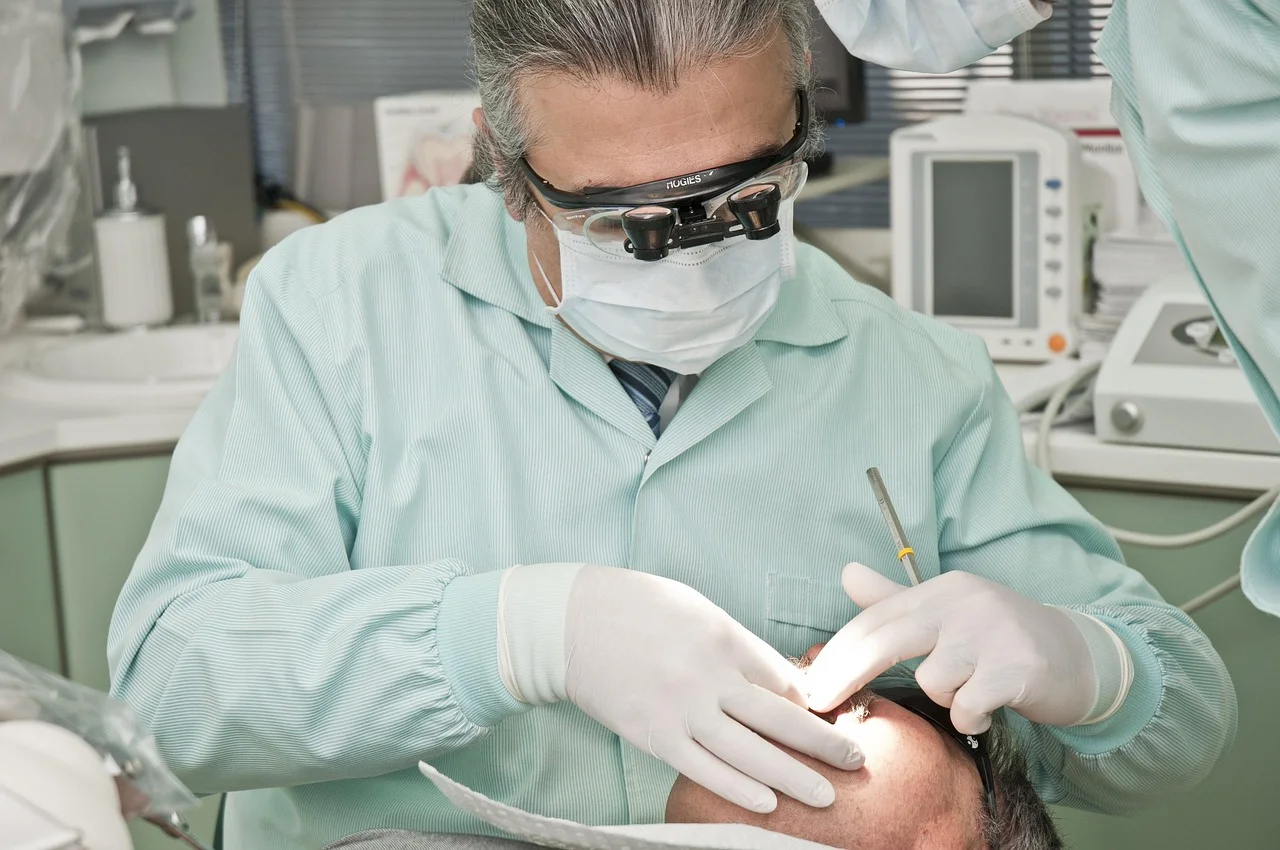
Why dental restoration matters
Missing or damaged teeth do more than change your smile. They affect speaking, chewing and even how your jaw sits over time. Left untreated, small gaps can lead to shifting teeth, bite problems and higher risk of decay.
Restorations restore function and confidence. Whether you’re a teen after trauma or an adult planning long-term oral health, knowing the options helps you make decisions aligned with lifestyle and budget.
Types of restorations available
Common routes include crowns, removable dentures, implants and fixed bridges. Each has pros and cons depending on the number of missing teeth, bone health and how quickly you want a result.
For example, if you want a non-removable replacement for one or more adjacent teeth, a prosthetic bridge is a widely used choice — you can read more about a specific prosthesis called most protetyczny which some clinics describe in detail.
| Option | Typical lifespan | Pros | Cons |
|---|---|---|---|
| Implant | 15+ years | Feels natural, long-term bone support | Higher upfront cost, surgical procedure |
| Bridge | 8–15 years | Fixed, quicker than implants | Requires work on adjacent teeth |
| Denture | 5–8 years | Lower cost, non-invasive | Removable, may need adjustments |
How to choose the right option
Decisions involve clinical factors and personal priorities. Dentists will assess gum health, remaining tooth structure, and jawbone. But your comfort with surgery, budget and cosmetic goals matter too.
- Consider how long you want a solution to last
- Think about maintenance: daily cleaning vs clinical follow-ups
- Factor in recovery time and any medical conditions
Always ask for clear explanations of procedures, realistic photos of results and written cost breakdowns. A second opinion can help if you feel unsure.
Costs and nhs vs private care
In the UK, some restorative treatments are available on the NHS but options may be limited. NHS care often covers essential work but not all cosmetic or high-end implant procedures.
Private care typically offers more choices, faster scheduling and a wider range of materials. Prices vary: implants and high-spec bridges cost more upfront but can be more cost-effective over a decade compared to repeatedly replacing cheaper solutions.
Check whether warranties, follow-up appointments and emergency support are included. Ask for a written treatment plan that explains stages and payment timelines.
Aftercare and long-term maintenance
Good aftercare extends the life of any restoration. Clean around bridges and crowns carefully; use floss threaders or interdental brushes where needed. For implants, maintain gum health to prevent peri-implantitis.
Regular dental check-ups every 6–12 months allow early detection of wear, decay and bite issues. If a restoration feels loose, book an appointment promptly — delaying can lead to bigger repairs.
Minor adjustments are normal, but consistent pain or swelling is not. Keep a record of materials used and the date of installation; it helps future dentists plan maintenance efficiently.
What is the difference between a bridge and an implant?
A bridge uses neighboring teeth for support and replaces missing teeth without surgery, while an implant is a titanium post anchored in bone that supports a crown. Implants can preserve bone better but require surgery and healing time.
Can I get restorative work on the NHS?
Some restorative treatments are available on the NHS when clinically necessary, but cosmetic options and many implants are typically offered privately. Check with your local dental practice for specifics on eligibility.
How long will my restoration last?
Lifespan varies by type, materials and care. Crowns and bridges often last 8–15 years; implants can last 15 years or more with good hygiene. Regular check-ups help maximize longevity.
Is the procedure painful?
Most restorative procedures are performed under local anesthesia so discomfort during the procedure is minimal. Post-operative sensitivity or soreness can occur but is usually manageable with simple pain relief and follow-up care.